
Keywords: {0}
By releasing the stressors I can relax, nap or meditate, and decrease pain levels.
https://gemstoneblu7stressfree.com/2021/06/12/busy-ness
Keywords: {0}
By releasing the stressors I can relax, nap or meditate, and decrease pain levels.
https://gemstoneblu7stressfree.com/2021/06/12/busy-ness
Keywords: {0}
The last and most important stress reliever is to be grateful for what you have. I’m grateful I can still walk and see. If you dwell on what you don’t have, you’ll just make yourself miserable. I saw a story on the news today about a blind chess player. She wins competitions often against people with sight. She recalls being made fun of when she was younger, and as soon as she discovered and mastered chess, she feels empowered. She claims people don’t ridicule her as much because she’s smarter than they are. Confidence in something you’re good at goes a long way.
https://mugsdiabetic.com/2021/02/14/healthy-distractions
A challenge for many working adults is knowing when to rest and when to push ourselves just a little bit more. It can be hard to rest when you are sick, if you feel well enough to write “just one email”. Which becomes 2 to 3 emails and then working on some slides for a presentation and then before you know it, at the end of the day, feel worse. Physically more tired and sickly, emotionally frustrated that we didn’t rest when we should have, mentally worrying about the work we procrastinated because we weren’t “well enough.”
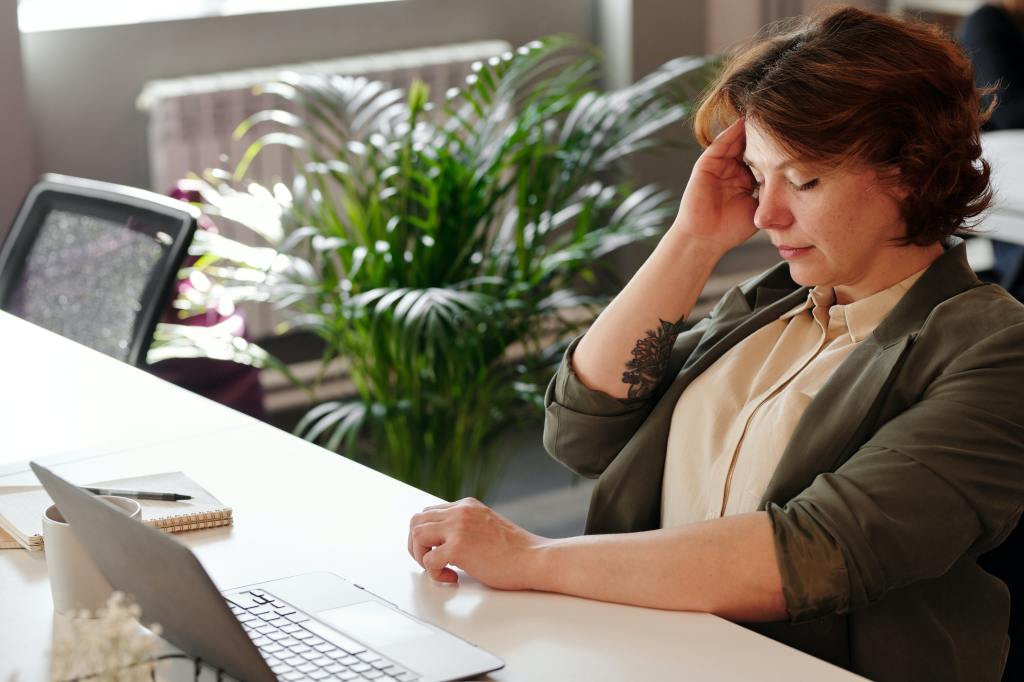
Add the stressor of working from home, with blurred boundaries and not really calling in sick, because we can “take it easy” and determine our own pace.
Bulldozing through work even when you are under the weather can be counterproductive. Operating at sub-optimal conditions can seem possible in the short-term, with some compromise in efficiency, but certainly not sustainable. Our condition may worsen, and it may take longer to recover.
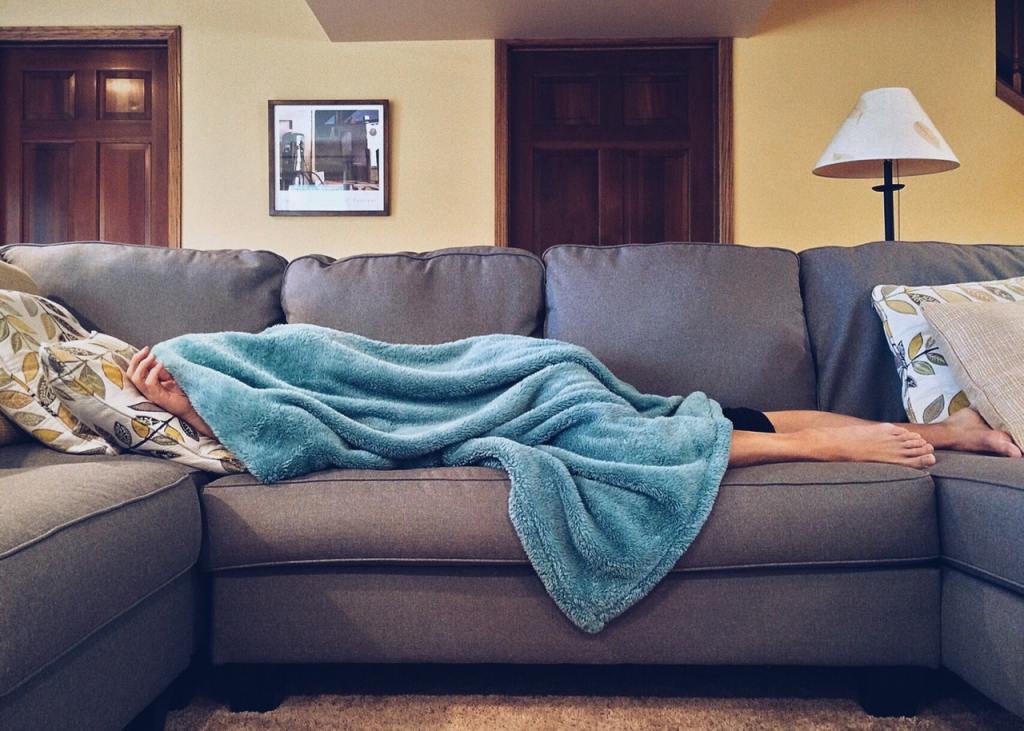
When we rest, we help our body to heal and enhance our immune system response. Researchers at the University of Pennsylvania found a link between sleep and post-infection recovery, if you needed a reason to rest when you are sick.
Something I have learnt in a workshop many years ago helped shape how I choose to tend to my body. Our minds can time travel as we revisit the past or worry about the future but our body is always in the present, the here-and-now. Our bodies will signal to us what is going on in the present moment and what it needs, and its adaptiveness has a beautiful way of grounding us and keeping us alive.
Physical symptoms are data points for us. They signal what is going on with the body and these symptoms may not go away, as much as we try to ignore them. One of the quick self-care tips that I work with my clients is to check in with our bodies and tend to what is going on by asking one quick question, “What do I need right now?”. When we become aware and mindful, we can choose to address these signs and symptoms and learn to take better care of ourselves.

Whether it means taking an afternoon off and sleep or taking regular breaks to hydrate ourselves, or taking more wholesome and healthier foods.
There is a beautiful Chinese saying that goes like this “Rest so you can go further and longer.” 休息是为了走更长远的路。
Rest when you are sick, and look after yourself so you can operate at a more sustainable pace. If you would like to find out about my experience on how I coped with Covid19 at home, sick and having to work from home, feel free to visit my blog post on my site here.

Working from home can be convenient but challenging at the same time. The restrictive measures in preventing the spread of Covid19 has transformed the working lives of most desk-bound office-trudging individuals: the office is now at home. If we are not careful, work would bleed into the living room, the kitchen, the bedroom, the bed and even the bathroom; the hours in which we spend at work might slowly colonise our personal lives before we know it. More stress is generated when we work more and feel helpless about our situations. This post would discuss what we can do for coping, working from home.

In my clinical work supporting individuals with burnout, one of my clients stated that one of the words of 2020 was “boundaries”. I couldn’t agree more. Our minds are more attuned to physical-distancing now, shaped by the consistent health advisories presented to us. If we could also apply this awareness to our work hours and ethics, we might do ourselves a favour by ensuring a more sustainable working pace. We should determine our limits and honour them when they are challenged; certainly there will be push-back and temptations to breach those limits but we have to be mindful why we have them in the first place. For example, one of the things we need to decide is our working hours: how many hours a day will you be working at home? Will it be the same as the hours you work when you used to commute to the office? What is a reasonable amount of time to spend doing work a day?

Rituals are practices that can help ourselves keep to our determined boundaries. One of the recommended rituals widely promoted is get dressed for work as you would when reporting to the office. Although it may seem really comfortable to work in our pyjamas, it may not so comforting when we lose a sense of structure that differentiates work and personal life and our sense of control. Little rituals can help us focus through structure and routine and they need not take up much time. It could be a coffee before we settle ourselves at the desk, or a decluttering of the workspace before we shut down the computer for the day.
The convenience of having everything we need in the comforts of our home could be satisfying. Compound that with the connectivity that we enjoy now where we could even work on our smartphones could lead to a disaster for our mental and physical health. I have heard how individuals would spend their meal times checking and replying emails when chewing their food or reading up about work while sitting on the bathroom throne. They complain that they have no time to rest, but I also wonder if they do allow themselves time to do so. We become less effective when we don’t rest. Rest is important for our health: consider how our body takes the time to recuperate, recover and heal when we sleep. Our brain also needs the respite to disconnect and to allow information and idea synthesis. We would be more creative and less stressed when we have enough rest so go ahead and plan some breaks in between your working hours.
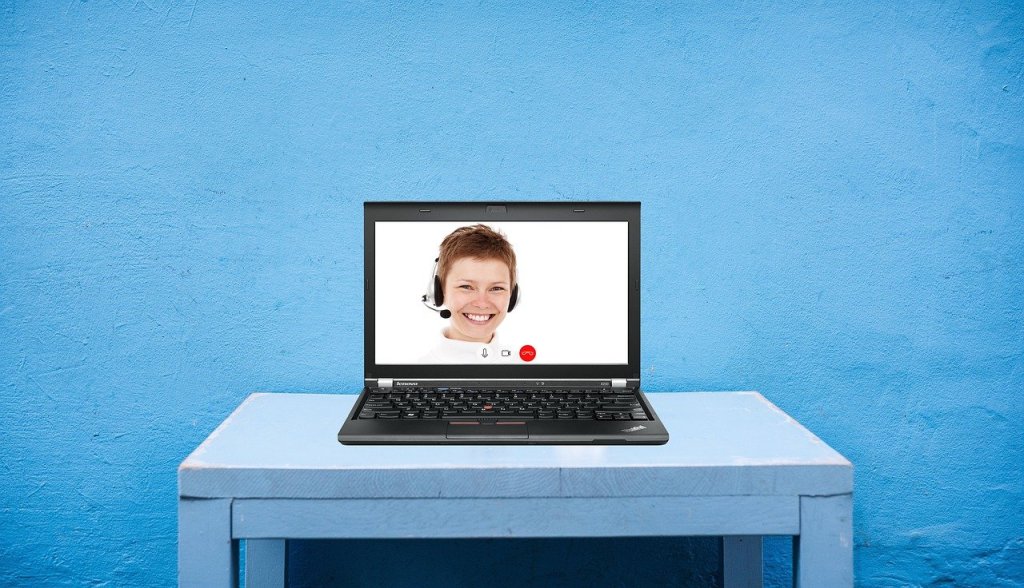
Social support is important for coping. Working from home has reduced the casual interactions we used to enjoy in the office setting and the reduction of such activities could affect our mental health. As humans, it is in our biological make to feel connected and a sense of belonging. Working from home can be a welcomed retreat from interruptions by nosy coworkers or awkward conversations in the pantry, but it can be isolating too. A lack of discussions and poorer synergy in the team could affect productivity and creativity in solving problems. Feelings of disengagement added to a growing workload could get us on the fast track to distress and burnout, so take active steps to connect meaningfully with colleagues, even if it is via instant text messages or a short call to catch up and speak about work.
It may be easier to feel that we are alone with our work when cooped up in our home office. Loneliness affects our health and if you notice that you are not coping so well, reach out and seek help. You need not to go at it on your own. Engage the resources that are available to you.
 Scientific Coping Skills